
News
Navigation
Send Us A Message
Driven by the rapid growth of the global peptide market, securing a peptide factory with long-term, stable supply capabilities has become a strategic priority for multinational chemical and pharmaceutical buyers. However, supply chain disruptions, batch-to-batch quality inconsistencies, and regulatory compliance issues frequently complicate procurement decisions. What practical risk-mitigation strategies do global buyers employ when vetting and evaluating peptide manufacturing partners?
1. Thoroughly Audit Quality Management Systems and Regulatory Compliance
Regulatory compliance serves as the first line of defense in vendor evaluation. Buyers typically prioritize verifying whether a facility maintains robust quality architecture, such as ISO 9001, ISO 14001, or cGMP certifications for pharmaceutical-grade peptides. Furthermore, a clean EHS (Environmental, Health, and Safety) compliance record is a vital indicator of whether a plant can sustain uninterrupted operations without unexpected environmental shutdowns.
2. Assess Capacity Flexibility and Upstream Supply Chain Resilience
Single-source vulnerability remains a significant risk in chemical procurement. A dependable peptide facility should offer flexible production lines that seamlessly transition from laboratory R&D to full commercial-scale manufacturing. Equally important is a diversified supplier network for critical raw materials (such as protected amino acids and coupling reagents). Buyers often review a facility’s capacity utilization rates and contingency plans to ensure on-time delivery even during market fluctuations.
3. Conduct On-Site or Third-Party Audits and Evaluate Batch Traceability
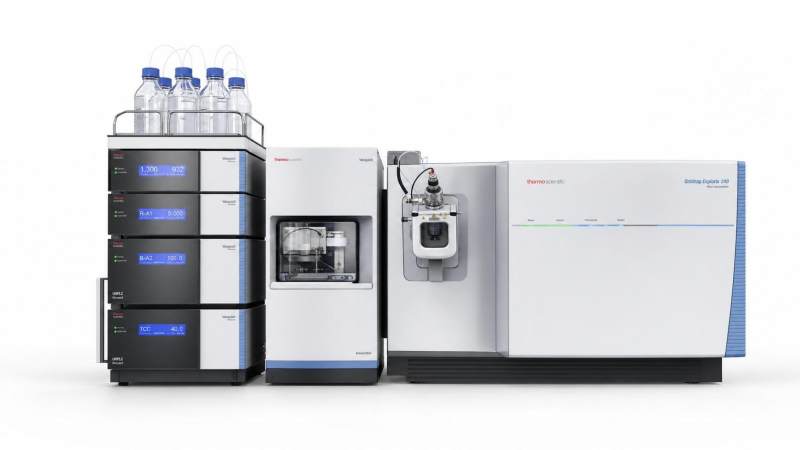
While documentation reviews are necessary, on-site or virtual audits are essential for complete due diligence. Buyers focus heavily on whether the facility houses advanced Quality Control (QC) laboratories equipped with analytical instrumentation like HPLC and LC-MS. Additionally, they examine whether inventory systems ensure full end-to-end material traceability and whether the plant enforces rigorous protocols for deviation handling and change control.
ConclusionFor global buyers, effective risk mitigation rests on comprehensive evaluation and end-to-end transparency. By systematically auditing regulatory credentials, supply chain resilience, and quality control systems, buyers can effectively mitigate operational risks while establishing long-term, reliable, and mutually beneficial strategic partnerships with qualified peptide manufacturers.